Rustic Mountain Home: An Embroidery Design Review
As an embroidery designer constantly scouting for fresh assets for boutique apparel collections, I approach every new machine embroidery design with a critical eye. When browsing Creative Fabrica embroidery listings, it is easy to get lost in the volume of options, but occasionally a design stands out for its specific utility in commercial apparel production. The Rustic Mountain Home design caught my attention not just as a decorative element, but as a potential anchor piece for a seasonal sweatshirt and hoodie collection. While categorized under Bedroom decor, this design possesses a visual versatility that translates exceptionally well to wearable art when executed correctly.
Visual Personality and Stitching Mood
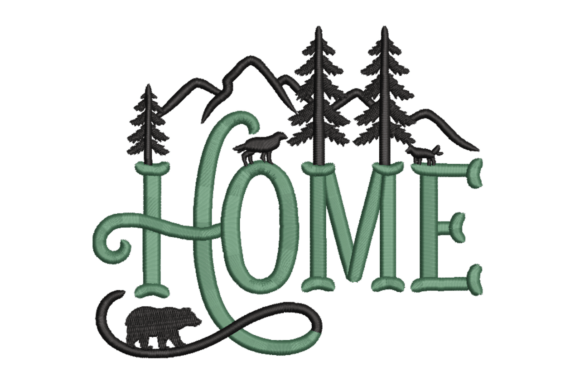
The first impression of Rustic Mountain Home is one of grounded warmth and nostalgic comfort. Unlike hyper-modern or overly minimalist line art, this design carries a distinct textural weight that mimics traditional cabin aesthetics. For a boutique brand focusing on cozy, lifestyle-oriented merchandise, this mood is invaluable. The stitching style suggests a blend of fill stitches and satin outlines that create depth without appearing cartoonish. It feels premium and intentional rather than generic.
When evaluating this for custom apparel, the "rustic" aspect implies a certain tolerance for organic imperfection, which is forgiving on textured garments. The design does not demand clinical perfection; instead, it invites a handmade product feel that resonates deeply with Etsy seller audiences. The visual balance between the architectural elements of the home and the natural mountain backdrop provides enough negative space to prevent the design from looking like a heavy patch, maintaining breathability in the final embroidered garment.
Strategic Placement on Sweatshirts and Hoodies
In planning a small batch collection, I envision Rustic Mountain Home serving multiple roles across different garment types. Its composition allows for flexible scaling, which is essential for maximizing the ROI of a single digital embroidery file.
- Oversized Sweatshirts: Center chest placement works best here. The design’s width complements the broad canvas of an oversized fit without overwhelming the wearer. On neutral tones like oatmeal, sage, or slate grey, the rustic theme enhances the garment's premium perception.
- Hoodie Design: For hoodies, consider placing the design slightly lower on the chest to account for the kangaroo pocket and hood bunching. Alternatively, this design has strong potential as a back print replacement. A full-back placement on a dark navy or forest green hoodie creates a striking statement piece suitable for outdoor lifestyle brands.
- Sleeve Accents: If the file includes separable elements or scales down cleanly, smaller versions could serve as wrist or upper sleeve accents, adding value to basic tees and long-sleeve shirts.
- Tote Bags and Denim: Beyond fleece, this design is structurally sound enough for denim jackets and canvas tote bags. The rustic aesthetic pairs naturally with indigo and unbleached cotton, making it ideal for cross-category boutique merchandise.
Navigating Fabric Texture and Stabilizer Choices
While Rustic Mountain Home is visually appealing, successful sweatshirt embroidery requires technical diligence. Fleece and French terry fabrics are notorious for shifting and puckering, especially with designs containing detailed fills or complex layering. Before committing this design to a production run, you must assess the stitch density. If the design is particularly dense, using a standard tear-away stabilizer will likely result in distortion.
For this specific design on stretchy apparel fabrics, I recommend a medium-weight cutaway stabilizer to provide permanent support and prevent the design from warping after washing. Always test on scrap fabric that matches your production garment's weight and texture. Pay close attention to how the design handles ribbed cuffs or seams if you attempt placement near garment edges. The "home" structure in the design requires straight lines; if the fabric stretches during hooping, those lines will bow, compromising the professional presentation. Proper hooping tension and potentially a temporary spray adhesive are non-negotiable steps for maintaining geometric integrity on knit fabrics.
Color Theory and Thread Selection
The emotional impact of Rustic Mountain Home relies heavily on thread colors. While the digitizer provides a default palette, adapting this for apparel often requires deviation. For a modern boutique look, consider tonal threading. Using shades only slightly darker or lighter than the garment fabric creates a sophisticated, embossed effect that elevates the perceived value of the item.
Conversely, for high-contrast commercial embroidery products, ensure your thread choices maintain the rustic vibe. Avoid neon or overly shiny rayon threads that might clash with the matte nature of fleece. Matte finish polyester or cotton-blend threads often render this style more authentically. Always verify contrast against both light and dark apparel bases before finalizing your color chart. What reads well on a screen in a printable mockup may lack definition on a heathered charcoal sweatshirt.
Commercial Viability and Brand Identity
For Etsy sellers and small shop owners, consistency is key to building buyer trust. Rustic Mountain Home offers a cohesive visual anchor that can define a seasonal capsule collection. When customers see this design across sweatshirts, tees, and accessories, it reinforces brand recognition. However, you must confirm the licensing terms within the Creative Fabrica product details before listing finished goods. Ensure the license covers commercial use for physical embroidered products, as terms can vary between personal and business tiers.
This design also performs well in marketing assets. Because of its distinct silhouette and evocative mood, it photographs beautifully for social media graphics and lifestyle product photos. It tells a story of comfort and retreat, which drives customer engagement far better than generic typography. When creating listings, highlight the design's suitability for gifting or seasonal wear to capture search intent related to cabin trips, winter holidays, or outdoor hobbies.
Essential Pre-Production Checklist
Before loading this embroidery file into your machine for a live project, run through this practical checklist to ensure professional results:
- Verify Specifications: Confirm the hoop size requirements and stitch count. Ensure your machine’s field accommodates the design without resizing, as significant resizing can alter stitch density and coverage.
- Test Stitch-Out: Never skip testing. Run the design on a scrap of your exact production fabric to check for registration issues, puckering, or thread breaks.
- Check File Format: Ensure you have the correct format for your specific machine brand. While most platforms offer conversions, native formats sometimes retain better stitch data.
- Evaluate Scaling Limits: Determine the minimum and maximum safe sizes for this design. Tiny lettering or intricate window details may disappear if scaled too small for sleeve accents.
- Review License: Double-check that your current subscription or purchase tier permits selling finished embroidered apparel commercially.
Rustic Mountain Home represents a strong opportunity for apparel decorators looking to add depth to their catalog. It bridges the gap between traditional craft and modern boutique fashion, provided the technical execution respects the fabric's limitations. By treating this design with the same rigor as any in-house digitized file, you can transform a digital asset into a tangible, profitable product line that resonates with customers seeking warmth and authenticity in their wardrobe.