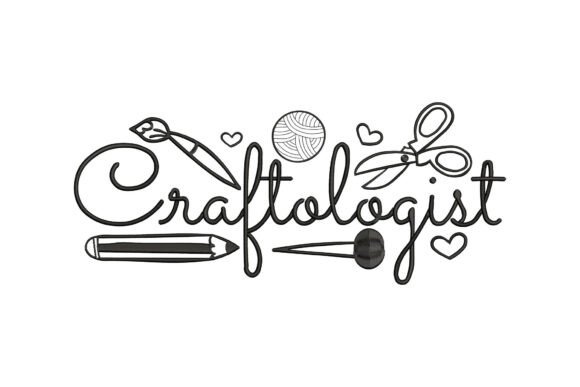
Craftologist Sewing Tools: Elegant Brand Embroidery
As a professional embroidery designer specializing in commercial branding, I approach every machine embroidery design with a critical eye toward production viability and brand representation. When evaluating the Craftologist Sewing Tools design for small business merchandise, my primary focus is not just aesthetic appeal, but how this digital asset translates into a tangible, profitable product. The description promises elegance and beautiful detail, which immediately signals that this is a premium asset suitable for boutiques, creative studios, and artisanal brands rather than industrial utility wear. For business owners and apparel decorators, understanding the technical and visual nuances of this design is essential before committing it to inventory.
Visual Personality and First Impressions for Business
The first impression of Craftologist Sewing Tools is distinctly sophisticated. In the realm of brand identity, this design communicates craftsmanship, heritage, and attention to detail. It does not feel cartoonish or overly simplistic; instead, it carries an air of established professionalism. For a handmade product business or a creative studio, this visual tone is invaluable. It suggests to the customer that the business values quality tools and traditional methods. However, "elegance" in embroidery often equates to higher complexity. As a designer, I see this as a double-edged sword: it offers high perceived value but requires careful handling during digitization review and production setup to maintain that refined look without compromising fabric integrity.
Real-World Applications for Small Business Merch
When integrating Craftologist Sewing Tools into a commercial lineup, versatility is key. This design shines brightest when used as a signature mark rather than a generic graphic. Here is how I recommend deploying this embroidery file across various business assets:
- Boutique Staff Uniforms: Use this as a chest logo accent on linen or cotton blend shirts. The elegant nature of the sewing tools motif aligns perfectly with textile shops, tailoring services, or vintage clothing stores.
- Premium Tote Bag Design: Canvas totes are a staple for Etsy sellers and craft businesses. Placing this design centrally or as a pocket detail elevates a standard promotional bag into a desirable retail item.
- Apron Embroidery: For florists, bakers, or makers who wear aprons as part of their uniform, this design serves as an excellent left-chest or lower-hem placement. It reinforces the "maker" identity without being aggressive.
- Custom Patches: Creating an embroidered patch version allows for flexible branding. These can be sold as add-ons, used on packaging, or applied to items where direct embroidery is difficult due to seams or construction.
- Product Packaging Accents: Stitch this onto fabric tags or drawstring bags included with customer orders. It enhances the unboxing experience and solidifies the perception of a luxury handmade product.
Technical Considerations and Production Caution Zones
While the aesthetic is strong, the phrase "beautifully detailed" serves as a technical warning for commercial embroidery. Detail requires density, and density affects production speed and fabric stability. Before running a full batch of small business merch, you must evaluate specific constraints.
Managing Stitch Density and Fabric Texture
Elegant designs often utilize satin stitches and fine fill patterns to achieve definition. On lightweight fabrics like t-shirts or thin tote materials, high stitch density can cause puckering or distortion. You must verify that the stabilizer choice matches both the design's complexity and the fabric texture. A cut-away stabilizer is likely necessary for knit garments to support the weight of the detailed sewing tools imagery, whereas a tear-away might suffice for woven canvas aprons. Always test the interaction between the thread tension and the backing material to ensure the "elegance" doesn't turn into a stiff, bulletproof patch of thread.
Sizing Limitations for Caps and Labels
Although the design is perfect for hoop embroidery on flat surfaces, exercise extreme caution with cap embroidery. Curved surfaces distort detailed artwork. If the Craftologist Sewing Tools design contains tiny text or intricate internal lines, scaling it down to fit a cap front may result in lost definition or thread breaks. Similarly, for product labels or sleeve cuffs, verify the minimum size recommendation. Reducing a detailed design too much causes letters to merge and outlines to overlap. If your business requires tiny branding, consider using this design only for larger placements and selecting a simplified secondary logo for small areas.
Impact on Brand Value and Customer Trust
In the competitive landscape of Etsy sellers and local artisans, visual consistency builds trust. Using a high-quality, elegant design like Craftologist Sewing Tools signals that you invest in your business presentation. Customers subconsciously associate neat, professional embroidery with product quality. Conversely, a poorly executed design—regardless of how good the digital embroidery file looks on screen—can devalue your brand. When this design is stitched correctly with appropriate thread colors and spacing, it acts as a seal of authenticity. It tells the buyer that they are purchasing from a dedicated professional who cares about the tactile details of their merchandise.
Designer Notes for Successful Implementation
To ensure this design performs as intended for your business, follow these practical production steps:
- Verify Commercial Licensing: Before selling any item featuring this design, confirm the license terms. Ensure you have the right to use this embroidery file for commercial products and merchandise sales.
- Create a Printable Mockup: Never assume placement based on screen visuals. Create a printable mockup at actual size and tape it to the garment or item. This helps visualize scale relative to pockets, seams, and other design assets.
- Test in Black and White: Run a sample stitch-out using black thread on white fabric (or vice versa) first. This removes color distraction and reveals the true structure, spacing, and registration of the design elements.
- Check Thread Color Contrast: Elegance relies on visibility. If stitching on dark uniforms, ensure the thread colors provide sufficient contrast. Metallic or variegated threads can enhance the "craftologist" theme but test them first to ensure they don't obscure fine details.
- Confirm Hoop Size Compatibility: Check the exact dimensions of the design against your available hoops. Avoid repositioning mid-design if possible, as alignment shifts can ruin the professional finish required for branded goods.
- Wash Test for Durability: If this will be used on staff uniforms or frequently washed tote bags, perform a wash test. Detailed embroidery can snag or degrade if not properly stabilized or if the top stitch isn't secured against abrasion.
Final Verdict for Apparel Decorators
Craftologist Sewing Tools is a robust candidate for businesses aiming to project an image of artisanal excellence. It bridges the gap between functional tool imagery and decorative art, making it highly effective for custom apparel and boutique branding. However, its success depends entirely on respecting its technical requirements. By treating this design with the same care you would apply to your own products—testing thoroughly, stabilizing correctly, and placing strategically—you transform a simple digital file into a powerful asset for business growth. Whether adorning a maker’s apron or serving as the centerpiece of a retail tote line, this design has the potential to significantly elevate your brand’s visual narrative when executed with professional precision.