I'm Not Old I'm Classic: Embroidery Design Review
As a professional embroidery designer specializing in commercial merchandise and branded apparel, I approach every machine embroidery design with a critical eye toward production viability and brand alignment. When evaluating the "I'm Not Old I'm Classic" design for small business applications, my primary focus shifts beyond mere aesthetics to practical performance on varied substrates. This review assesses the design’s suitability for creating high-value small business merch, from staff uniforms to retail tote bags, ensuring that your investment in this digital embroidery file translates into professional, sellable goods.
Visual Personality and Brand Alignment
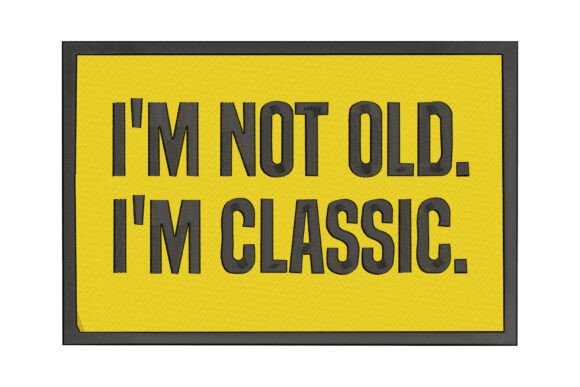
The first impression of "I'm Not Old I'm Classic" is one of refined confidence. While categorized under Friends Quotes, the description promises a touch of elegance, suggesting a typography or motif style that transcends casual humor. For a business owner, this distinction is vital. The design feels premium rather than novelty, making it appropriate for brands that want to convey heritage, quality, and timelessness. Whether you operate a vintage clothing boutique, an artisanal bakery, or a restoration workshop, this sentiment aligns with a brand identity rooted in craftsmanship.
Unlike playful or cartoonish quote designs, this piece appears structured for commercial embroidery. The elegance mentioned in the product details implies balanced spacing and likely a sophisticated font choice or decorative border. This visual maturity allows the design to function as a legitimate branding asset rather than just a decorative afterthought. It bridges the gap between personal expression and professional merchandise, making it ideal for businesses targeting a demographic that values longevity and classic style over fast trends.
Performance Across Merchandise Categories
In real-world production scenarios, versatility is key. A robust embroidery file must perform consistently across different garments and accessories. Based on the design's elegant nature and intended use cases, here is how it applies to specific business assets:
- Tote Bag Design: Canvas totes are a staple for boutiques and cafes. This design’s elegant detail will pop against natural cotton canvas, turning a functional bag into a fashion statement. The phrase reinforces the idea of sustainable, long-lasting goods.
- Apron Embroidery: For bakeries, florists, or craft studios, aprons serve as mobile billboards. Placing this design on the chest or pocket area adds personality to staff uniforms while maintaining a polished look that instills customer trust.
- Custom Apparel: On t-shirts and polo shirts, the design works exceptionally well as a left-chest logo or a centered back print. It transforms standard blank apparel into exclusive handmade product inventory.
- Table Linens and Cushions: For hospitality businesses or home decor sellers, applying this design to linens adds perceived value. It suggests attention to detail and creates a cohesive aesthetic for table settings or retail displays.
Furthermore, this design serves as excellent content for a printable mockup. Because the sentiment is universally appealing yet distinct, it photographs well for Etsy listings or social media marketing, helping drive engagement before a single stitch is run on final production fabric.
Technical Considerations for Patches and Caps
While the design is described as beautifully detailed, experienced digitizers know that detail requires careful management when scaling down for embroidered patch use or cap embroidery. Elegance often equates to finer lines and more complex fill patterns, which can present challenges on curved surfaces or small formats.
Evaluating Stitch Density and Size
Before running this design on caps or small patches, you must verify the minimum size recommendations. Detailed lettering or ornate borders may lose clarity if reduced below 3 inches. High stitch density in a small area can cause puckering on lightweight cap fronts or stiff patches. Always request or check the technical specs of the embroidery file to ensure the smallest text elements remain legible at your desired patch size.
Fabric Texture and Stabilizer Selection
The interaction between thread and fabric texture dictates the final outcome. For textured fabrics like linen cushions or ribbed knits, the elegance of the design could be compromised by the material's weave. In these instances, using a water-soluble topping is non-negotiable to keep stitches crisp. Conversely, for smooth custom apparel like performance tees, a cutaway stabilizer is essential to prevent distortion during washing. Never assume a universal stabilizer works; test specifically for the substrate you intend to sell.
Impact on Customer Perception and Value
Merchandise is an extension of your service promise. Using a design like "I'm Not Old I'm Classic" signals to customers that your business respects tradition and quality. In the handmade market, buyers are often seeking items with soul and narrative. This design provides that narrative instantly. When applied to finished product packaging or included as a branded gift tag, it elevates the unboxing experience.
Moreover, consistency in design assets builds recognition. If you use this design across your aprons, totes, and shop signage, it creates a unified visual language. Customers begin to associate that specific elegant typography with your brand's reliability. This psychological connection increases the perceived value of your merchandise, allowing for better margins compared to generic, off-the-shelf alternatives.
Designer Notes for Production Success
To ensure this machine embroidery design meets professional standards, adhere to the following pre-production checklist. These steps mitigate risk and ensure your commercial embroidery projects are profitable and pristine.
- Verify Commercial Licensing: Before listing any item for sale, confirm the license terms of the digital file. Ensure you have the right to sell physical products featuring this design.
- Test in Monochrome: Run a test stitch-out in black thread on white fabric first. This reveals the true structure of the design without color distraction, highlighting any registration issues or density problems.
- Check Thread Color Contrast: Elegant designs rely on subtlety. Ensure your chosen thread colors provide enough contrast against the garment color for readability, especially on dark uniforms or navy totes.
- Confirm Hoop Size Compatibility: Do not force a large design into a smaller hoop by resizing excessively. Check the native hoop size requirements to maintain stitch integrity.
- Create Client Mockups: If producing for a B2B client or a collaborative brand, generate a digital mockup alongside the physical sample. This manages expectations regarding placement and scale.
- Inspect Spacing and Kerning: Zoom in on the file in your editing software. Ensure letter spacing is adequate for the needle size you plan to use. Tight kerning can lead to thread breaks or fabric perforation.
- Wash Test: Since this design is recommended for items requiring frequent laundering like table linens and t-shirts, wash and dry your test sample three times. Check for thread shrinkage or stabilizer residue.
By treating "I'm Not Old I'm Classic" as a strategic business asset rather than just a cute quote, you unlock its full potential. Whether adorning a barista’s apron or a boutique’s signature tote, this design offers a blend of charm and sophistication that resonates with modern consumers. With proper testing and thoughtful application, it becomes a powerful tool for building a memorable, enduring brand.