Forget-Me-Not Spray: A Craft Fair Embroidery Review
As an experienced embroidery designer preparing for a busy weekend craft fair, I approach every new machine embroidery design with a critical eye. It is not enough for a digitized file to look beautiful on a computer screen; it must translate into a profitable craft fair product that catches the attention of shoppers walking past a crowded booth. When evaluating the Forget-Me-Not Spray for my upcoming market table, I am looking at more than just floral aesthetics. I am analyzing stitch integrity, production speed, and commercial viability across various blanks. This review breaks down how this specific botanical motif performs in real-world applications for Etsy sellers, boutique makers, and creative entrepreneurs who need reliable inventory.
First Impressions and Market Positioning
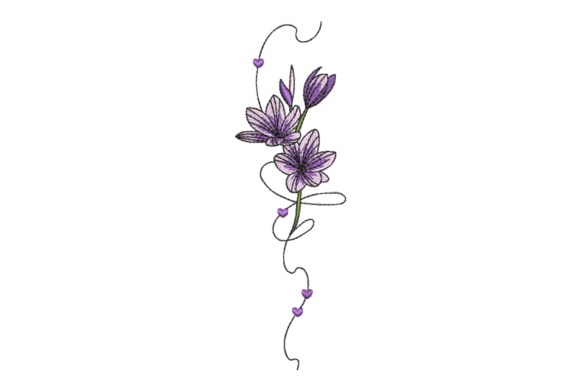
The immediate impression of Forget-Me-Not Spray is one of delicate nostalgia mixed with modern farmhouse appeal. Unlike bold, tropical florals or dense Victorian bouquets, this design reads as soft, sentimental, and airy. For a handmade market, this is a strategic advantage. Shoppers are often drawn to items that evoke memory and comfort. The "spray" format suggests movement and organic growth rather than a stiff, static arrangement. This makes it feel less like a generic clip-art flower and more like a curated piece of botanical art.
In terms of style, it bridges the gap between cottagecore and elegant minimalism. It is not overly cutesy, which expands the demographic reach to include customers looking for sophisticated kitchen textiles or refined accessories. As a small shop product, it signals quality over quantity. However, because forget-me-nots are inherently small flowers, the digitizing quality is paramount. If the embroidery file lacks sufficient underlay or proper pull compensation, these tiny blooms can disappear into the fabric weave or become distorted during hooping. My first judgment is that this design relies entirely on precision; there is no room for sloppy registration when working with such fine details.
Best Performing Products for Booth Displays
When stocking a table display, I have to prioritize items where Forget-Me-Not Spray will actually sell. Based on the scale and mood of this motif, here is my assessment of the best carriers for this design:
- Tea Towel Embroidery: This is arguably the strongest application. The vertical nature of a spray complements the rectangular shape of a towel perfectly. Placed in the bottom corner or centered above a hem tag, it creates a balanced, high-end look. Linen and flour sack cotton provide the smooth texture necessary for the tiny stitches to pop.
- Tote Bag Design: Canvas totes are craft fair staples. Forget-Me-Not Spray works exceptionally well here as an off-center placement near the bottom seam. It offers a subtle alternative to loud slogans, appealing to customers seeking a quiet, nature-inspired aesthetic. Ensure the canvas weight is compatible with your stabilizer choice to prevent puckering around the delicate stems.
- Apron Embroidery: For waist aprons or bib styles, this spray adds a touch of vintage charm without overwhelming the garment. It sits beautifully on the chest pocket area or the lower hip. Because aprons are functional items, ensure the design is placed high enough to avoid wear from washing and use, but low enough to remain visible when worn.
- Embroidered Patches: If you produce patches for resale, this floral spray translates well into a merrowed edge finish. The organic shape allows for unique patch silhouettes that stand out against standard circular or rectangular options. These serve as excellent low-cost add-ons at the point of sale.
Conversely, I would be cautious using this specific spray on structured caps unless the digitization has been specifically optimized for curved surfaces. The horizontal spread of a spray can distort on a cap front, and the tiny flower centers may get lost in the foam backing. Similarly, highly textured terry cloth towels require a heavy topping to prevent the fine details from sinking, which can sometimes dull the visual crispness of a forget-me-not.
Production Practicality and Batch Efficiency
For commercial embroidery businesses, time is money. A design might be gorgeous, but if it takes forty minutes to stitch out with frequent thread breaks, it kills profit margins. Forget-Me-Not Spray generally falls into the efficient category due to its open nature. Unlike filled bouquet designs that require massive satin stitch coverage, sprays typically utilize running stitches for stems and smaller fill areas for petals. This usually results in a lower stitch count and faster run times, making it ideal for batch production before a market.
However, efficiency depends on color changes. Check the thread colors sequence in your software. If the design requires six different shades of blue and green with constant jumps, production slows down significantly. Ideally, a well-digitized spray should minimize trims and maximize continuous stitching paths. Before committing to a full production run, verify the hoop size requirements. If the spray fits comfortably in a 4x4 hoop alongside other elements, you can gang multiple items in a single hooping session, drastically reducing setup time per unit.
Critical Technical Considerations for Makers
Even the best digital embroidery file requires operator intelligence. When working with Forget-Me-Not Spray, keep these technical constraints in mind to maintain professional quality:
- Fabric Texture Compatibility: Fine floral details demand smooth fabrics. Avoid waffle weave or heavy slub linens unless you test extensively first. The intricate petal definition can easily merge with textured weaves, making the design look muddy from a distance.
- Stabilizer Selection: Do not skimp on stabilization. For lightweight tea towels or voile pouches, use a tear-away or wash-away stabilizer that provides rigid support during stitching but removes cleanly afterward. Residual stabilizer behind a sheer fabric ruins the premium handmade feel.
- Thread Contrast and Visibility: Forget-me-nots are traditionally light blue. On white or cream fabric, ensure your blue thread has enough saturation to be visible. Conversely, on dark navy fabric, verify that the design includes adequate contrast outlining or lighter shading. Without this, the blue flowers will vanish against the dark background.
- Scaling Limitations: Be wary of resizing this design downward. Reducing a floral spray by more than 80% often causes stitch overlap and needle penetration issues in the tiny flower centers. Always check the minimum recommended size in the design notes or perform a sew-out test before scaling for small items like baby onesies or pocket accents.
Merchandising and Visual Appeal Strategy
At a craft fair, customers buy with their eyes first. Forget-Me-Not Spray contributes to a cohesive booth aesthetic that feels curated rather than chaotic. Because it is a recognizable botanical, it pairs effortlessly with natural materials like wood, leather, and unbleached cotton. When creating your table display, group items featuring this design together to create a collection effect. A stack of embroidered tea towels next to matching tote bags and coordinating fabric pouches reinforces brand consistency and encourages multi-item purchases.
For online sales, this design photographs beautifully because of its inherent detail. Create a printable mockup or lifestyle photo showing the scale of the spray relative to the product. Customers need to understand whether the flowers are dime-sized or quarter-sized. Clear photography prevents returns and builds trust. Additionally, emphasize the emotional connection in your listing descriptions. Words like "heirloom," "botanical," "memory," and "hand-stitched look" resonate with buyers searching for meaningful handmade products.
Designer Notes for Safe Commercial Use
Before listing any finished product derived from Forget-Me-Not Spray, conduct a thorough pre-production audit. Always sew out a physical sample on the exact fabric and stabilizer combination you intend to sell. Digital previews cannot replicate fabric drag or thread tension issues. Inspect the back of the embroidery; excessive jump stitches or messy bobbin threads indicate a need for editing or machine maintenance.
Crucially, confirm the licensing terms of your design assets. Not all embroidery files permit commercial sale of finished goods. Verify that you have the right to sell products featuring this specific spray at markets and online. Respect the digitizer’s intellectual property while building your own sustainable business. Finally, document your successful settings. Note which needle size, thread brand, and stabilizer weight produced the best result for Forget-Me-Not Spray. This reference sheet becomes invaluable when reordering stock or training staff, ensuring that every item leaving your studio meets the high standards your customers expect from a professional embroidery business.