Floral Umbrella: A Craft Fair Embroidery Review
As an experienced embroidery designer preparing for a weekend craft fair, my evaluation of any new machine embroidery design goes far beyond digital aesthetics. I need to know if a design will actually sell when displayed on a crowded table alongside hundreds of other handmade items. When reviewing the Floral Umbrella design, I am looking at it through the lens of production efficiency, visual impact at a distance, and perceived value for the customer. This specific design, categorized under Bouquets, offers a unique intersection of whimsy and botanical elegance that requires strategic placement to maximize its potential as a profitable craft fair product.
First Impressions and Market Positioning
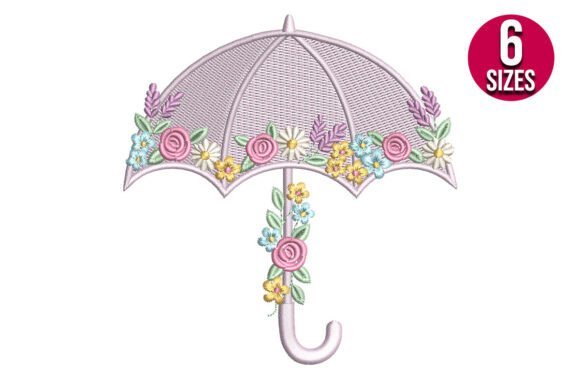
The Floral Umbrella immediately strikes me as a "soft vintage" or "cottagecore" aesthetic rather than a bold, modern graphic. It feels romantic and nostalgic, which is currently a high-performing niche for Etsy sellers and boutique makers. Unlike generic floral clusters, the umbrella motif adds a narrative element—it suggests protection, spring showers, and garden strolls. For a handmade market booth, this storytelling aspect is crucial. Customers do not just buy thread on fabric; they buy a feeling. This design leans heavily into that emotional connection.
However, because it is intricate, it risks looking muddy from five feet away if not sized correctly. My initial assessment is that this is not a background filler; it is a focal point. It demands to be the star of the item. For commercial embroidery businesses focusing on volume, this design works best as a premium upsell item rather than a quick-turnaround basic. The complexity signals higher value, justifying a higher price point on finished goods like linen tea towels or canvas market bags.
Evaluating Size Options for Specific Products
The provided specifications offer four distinct sizes, and choosing the right one is critical for product integrity. As a designer, I never assume one size fits all substrates. Here is how I would deploy these specific variations for my upcoming market inventory:
- 3.25 x 3.41 inch (12,325 stitches): This is my go-to size for apron embroidery pockets or the corner of a tea towel. At this scale, the stitch count is manageable, reducing production time while maintaining detail. It also works beautifully as a left-chest logo on lightweight cardigans or baby bibs. However, I would avoid using this smallest size on thick terry cloth, as the details may get lost in the pile.
- 3.63 x 3.81 inch (14,006 stitches): This is the versatile middle ground. It is ideal for standard 4x4 hoop users who want maximum coverage without re-hooping. I would use this for embroidered patches or small fabric pouches. The stitch density here is likely balanced enough for stable woven fabrics but requires careful stabilization on knits.
- 4.20 x 4.41 inch (16,641 stitches): Stepping up to this size opens the door for tote bag design. On a natural canvas tote, this size provides enough visual weight to balance the large surface area. It is also excellent for pillow covers where the viewer is typically standing closer to the item. The increased stitch count allows for more shading in the florals, enhancing the premium look.
- 4.58 x 4.81 inch (18,450 stitches): This is the statement size. With nearly 18,500 stitches, this version is dense and lush. I would reserve this exclusively for high-end home decor or jacket backs. It is too large and dense for delicate garments or stretchy fabrics. As a handmade product, this size commands the highest price due to thread usage, machine run time, and the sheer visual impact.
Production Practicalities and Stitch Density
When preparing for batch production, stitch count directly correlates to profit margins. The largest Floral Umbrella variant at 18,450 stitches is significant. If my machine runs at 800 stitches per minute, that is over 20 minutes of pure run time per item, excluding hooping and trimming. For a craft fair prep, I must weigh this against my pricing strategy. Can I charge enough to cover that machine time? For the smaller 12,325-stitch version, the turnaround is much faster, allowing for higher volume sales of lower-priced items like sachets or coasters.
I must also consider stitch density relative to fabric texture. A floral umbrella implies layered petals and potentially rain droplets. If the digitizer has used heavy satin stitches or complex fills, hooping becomes a technical challenge. On textured towels, I would absolutely require a water-soluble topping to prevent stitches from sinking. On dark fabrics, I need to verify if the embroidery file includes an underlay that prevents the fabric grain from showing through lighter thread colors. Without proper underlay, even a beautiful bouquet can look amateurish in person.
Visual Merchandising and Customer Engagement
At a craft fair, customers scan tables quickly. The Floral Umbrella has strong "stopper" potential because of its recognizable silhouette. To maximize this, I would display the design on varying backgrounds to show versatility. A sample stitched on cream linen appeals to the farmhouse buyer, while the same design on sage green cotton attracts the modern botanical enthusiast. Creating a printable mockup for my Etsy listing is equally important; since this design is detailed, flat-lay photography with natural lighting is essential to capture the sheen of the rayon or polyester threads.
For small shop product lines, consistency is key. I would pair this floral umbrella with complementary monograms or simple border designs to create collections. A tea towel featuring the umbrella in the center and a coordinating name below creates a personalized gift option that sells significantly better than standalone stock designs. The umbrella motif also lends itself well to seasonal marketing; it is perfect for spring markets, bridal showers, or rainy-day themed promotions.
Critical Designer Notes for Success
Before stitching a single production piece for the fair, I adhere to a strict testing protocol. Never trust a digital preview completely. I always test the digital embroidery file on scrap fabric that matches my final product weight. For the Floral Umbrella, I specifically check the registration between the umbrella outline and the floral fills. Misalignment in complex bouquets is the fastest way to ruin a sale. I also inspect the pull compensation; if the flowers look distorted after washing, the digitizing needs adjustment before I commit to making inventory.
Stabilizer choice is non-negotiable. For the 4.58-inch version, I would likely use a medium-weight cutaway for permanent support on apparel or a heavy tear-away for crisp home decor. Using the wrong stabilizer on a design with this many stitches can lead to puckering, which devalues the finished product instantly. Additionally, I always confirm commercial licensing terms before selling. Just because I purchased the file does not automatically grant unlimited production rights for physical goods. Respecting intellectual property protects my business reputation.
Finally, thread color selection defines the mood. While the digitizer may suggest specific colors, adapting the palette to current trends can refresh an older design. Muted earth tones make the Floral Umbrella feel rustic and expensive, while bright pastels make it playful and youthful. As creative entrepreneurs, our ability to customize design assets through color and substrate choice is what separates our work from mass-produced factory goods. By treating the Floral Umbrella not just as a file, but as a component of a larger brand strategy, we transform stitches into sustainable income.