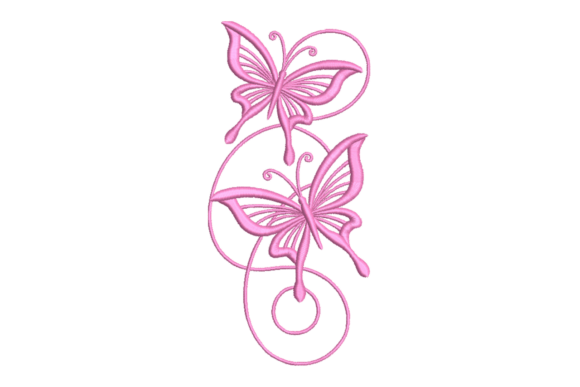
Tribal Butterfly: A Designer’s Stitch-Out Review
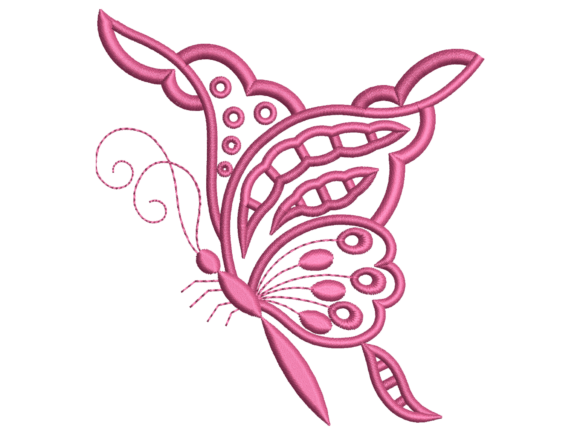
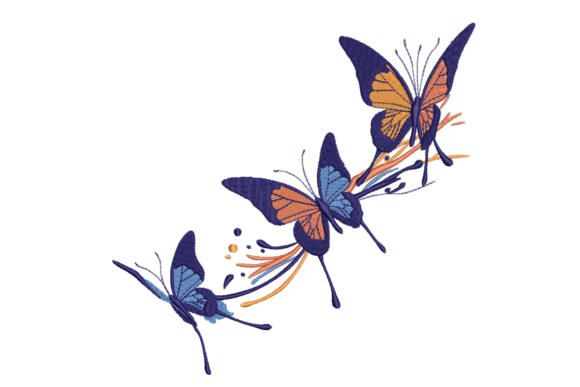
As an embroidery designer who has digitized and tested thousands of files, I approach every new machine embroidery design with a healthy dose of skepticism. We have all purchased files that look stunning on screen but turn into thread nests or distorted shapes once the needle hits the fabric. When evaluating the Tribal Butterfly design for potential use in my own production line and client work, I looked past the digital preview to assess its structural integrity and commercial viability. This is not just another bug motif; it is a stylized graphic element that bridges the gap between bohemian aesthetics and clean, modern lines.
My first impression of Tribal Butterfly was that it avoids the overly dense, photorealistic trap that many nature-themed designs fall into. Instead of trying to replicate veins and scales with excessive stitch density, this design relies on bold, flowing lines typical of tribal art. For a maker or Etsy seller, this is a significant advantage. The visual personality is distinct yet versatile, offering a "subtle touch of charm" as described, without overwhelming the base garment. It feels less like a sticker placed on fabric and more like an integrated embellishment, which is crucial for high-end custom apparel and boutique merchandise.
Real-World Application: The Canvas Tote Test
To truly judge this embroidery file, I needed to move beyond the screen. My current real-life scenario involved creating a run of premium canvas tote bags for a local farmers' market vendor who wanted to elevate her brand identity. She needed something organic but structured, fitting the "Bugs" category without looking childish. I selected Tribal Butterfly as the primary candidate for this tote bag design.
Stitching on unbleached canvas presents specific challenges due to the loose weave and fabric texture. A delicate running stitch can get lost, while a heavy fill stitch can cause puckering. Tribal Butterfly performed exceptionally well here. The tribal aesthetic naturally accommodates slightly heavier line weights, meaning the design remained crisp against the textured background. I used a medium-weight cutaway stabilizer to prevent shifting, and the registration held perfectly. The resulting finished product had a professional, artisanal quality that justified a higher price point than standard screen-printed alternatives. Customers responded to the artistic interpretation of the butterfly rather than expecting biological accuracy, validating this design as a strong asset for commercial embroidery ventures.
Versatility Across Apparel and Home Goods
Beyond tote bags, I evaluated how Tribal Butterfly translates to other common substrates for small shop product lines. The geometry of tribal art is inherently scalable, but context matters.
- Sweatshirt Embroidery: On fleece and French terry, the design’s open areas prevent the stiff "bulletproof vest" effect common with dense patches. It drapes well with the garment, making it ideal for left-chest placement or centered yoke designs.
- Pillow Covers and Tea Towels: For home decor, the linear nature of the tribal style complements woven linens. It acts as a sophisticated accent rather than a cartoonish addition, appealing to adult demographics looking for holiday embroidery or housewarming gifts.
- Baby Embroidery: While tribal styles are bold, the softened edges of this specific butterfly make it suitable for nursery items. However, I would recommend testing on minky or plush fabrics first, as the pile can obscure finer details.
For those selling digital embroidery files or using this for printable mockups, the high contrast and clear silhouette of Tribal Butterfly make it incredibly easy to visualize on various products. It reads well even at smaller sizes in thumbnail images, which is vital for click-through rates on platforms like Etsy or Shopify.
Critical Considerations: Where to Proceed with Caution
No design is universal. As a reviewer, I must highlight where Tribal Butterfly requires careful handling to maintain quality in your embroidery project.
Fabric Weight and Stretch
While excellent for stable fabrics, this design demands respect when applied to thin knits or performance wear. The tribal elements likely utilize satin columns or heavier fills to achieve their graphic look. On lightweight jersey or rayon, this stitch density can lead to tunneling or tearing. If you are producing personalized gift items on delicate fabrics, always use a fusible backing and consider reducing the design size by 10-15% to reduce overall stitch count and tension.
Curved Surfaces and Caps
The horizontal flow of many tribal designs can be tricky on curved surfaces like caps. Before committing to a bulk order of hats, verify the aspect ratio. If Tribal Butterfly is wide, it may distort when wrapped around a cap frame. Always run a test stitch-out on a scrap cap or similar curved surface. Distortion here ruins the symmetry that defines the tribal aesthetic.
Color Contrast and Thread Selection
Tribal art relies on negative space and line definition. Using low-contrast thread colors (e.g., grey thread on black fabric) will cause the design to disappear. This is particularly important for dark fabric applications. Ensure your thread palette provides sufficient separation between the design elements and the base material. For handmade product photography, high-contrast stitch-outs also photograph better, aiding your marketing efforts.
Professional Designer Notes for Success
If you are integrating Tribal Butterfly into your craft business or personal collection, adhere to these practical guidelines to ensure consistent results:
- Verify Specifications: The product description mentions suitability for T-shirts, towels, and pillows, but does not list exact dimensions or stitch counts. Always check the hoop size requirements and total stitch count in your software before purchasing or stitching. Ensure it fits your machine’s capabilities and your intended application area.
- Test on Scrap Fabric First: Never stitch a new design directly onto a final product. Use a scrap piece of the exact fabric and stabilizer combination you plan to use. Check for registration errors, thread breaks, or excessive stiffness.
- Evaluate Licensing: If you are an Etsy seller or run a commercial embroidery operation, confirm the license terms. Determine if you can sell finished physical products, if there are quantity limits, or if the digital embroidery file itself can be resold (usually prohibited). Protecting your business starts with respecting intellectual property.
- Mockup Strategy: When listing items featuring this design, use realistic mockups that show the texture of the stitches. Flat vector images do not convey the tactile quality of embroidery. Show the Tribal Butterfly on a wrinkled linen pillow or a worn-in sweatshirt to help buyers envision the design assets in real life.
- Wash Testing: For items like tea towels or baby clothes that require frequent laundering, wash your test sample three times. Tribal designs with long satin stitches can snag or pull if not properly secured. If issues arise, adjust your finishing techniques or reserve the design for decorative-only items.
Final Verdict on Value and Appeal
Tribal Butterfly succeeds because it understands its medium. It does not fight against the limitations of thread and fabric; instead, it uses the inherent properties of embroidery to create a graphic, textural impact. For apparel decorators and makers, it offers a reliable, stylish option that appeals to customers seeking unique, non-generic designs. It enhances product value through perceived artistry and supports brand consistency across different product categories.
Whether you are creating a signature embroidered patch, customizing a wedding gift, or expanding your digital catalog, this design warrants a place in your library. Just remember that professional results come from understanding the interplay between the digital file and the physical substrate. Treat Tribal Butterfly with the technical respect it deserves, and it will deliver the charm and creativity promised in its description, translating digital pixels into tangible, sellable art.