Kitchen Shelf Frame: A Seasonal Embroidery Review
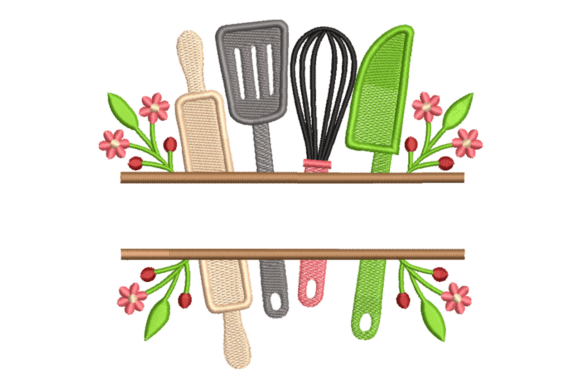
As I curate my upcoming seasonal collection, evaluating new digital assets is a critical step in ensuring product success. When reviewing the Kitchen Shelf Frame machine embroidery design, I am looking for more than just aesthetic appeal; I am assessing technical viability and commercial potential for holiday shoppers. This specific design captures a distinct nostalgic and cozy mood that resonates deeply during the festive season. It evokes feelings of warmth, family gatherings, and traditional home comfort, making it an ideal candidate for products intended as personalized gifts or heirloom-quality decor.
The visual tone of this embroidery file strikes a balance between rustic charm and elegant detail. Unlike overly cartoonish holiday graphics, the Kitchen Shelf Frame offers a sophisticated structure that appeals to adult buyers and homeowners. It feels premium yet accessible, suggesting a sense of curated domestic bliss. For Etsy sellers and small shop owners, this emotional connection is vital. Customers are not just buying thread on fabric; they are purchasing a feeling of holiday tradition. The design’s architectural elements provide a perfect vessel for seasonal motifs, allowing for versatile customization that can shift from Thanksgiving harvest themes to Christmas winter wonderlands simply by changing the interior fill or surrounding accents.
Commercial Applications for Holiday Product Lines
In real-world selling situations, versatility drives return on investment. The Kitchen Shelf Frame performs exceptionally well across multiple product categories essential for a robust holiday catalog. When planning sweatshirt embroidery, this design serves as a unique alternative to standard block text. Placed on the chest or back of a cream or sage green fleece, it creates a high-value apparel item that stands out in social media feeds. The frame acts as a focal point, drawing the eye without overwhelming the garment's silhouette.
For home decor enthusiasts, kitchen towel embroidery remains a staple of seasonal sales. This design transforms a utilitarian item into a decorative accent. Because the frame implies structure, it looks intentional and polished even on simpler linen blends. I also see strong potential for tote bag designs. As shoppers look for reusable, eco-friendly gift wrapping alternatives, an embroidered tote featuring this frame becomes a gift in itself. The design scales well for these larger surfaces, maintaining clarity and impact.
Smaller applications should not be overlooked. Pillow covers benefit immensely from this centered composition, creating instant holiday ambiance for living spaces. For those creating ornament collections, the Kitchen Shelf Frame can be resized to create intricate, lace-like keepsakes when stitched on water-soluble stabilizer. Additionally, consider using this design for embroidered patches. A patch version allows customers to customize their own denim jackets or aprons, adding an interactive element to your product line. Each of these applications leverages the design’s inherent structure to elevate the perceived value of the finished product.
Technical Considerations and Fabric Limitations
While the aesthetic is strong, technical execution determines customer satisfaction. As an experienced designer, I must highlight where caution is necessary. The intricate lines typical of a shelf frame design require careful attention to stitch density. If the density is too high, the design may pucker lightweight fabrics or become stiff on apparel. Always verify the digitizing quality before committing to bulk production. Test stitching on scrap material similar to your final product is non-negotiable.
Fabric texture plays a massive role in the success of this embroidery file. On thick terry cloth towels or plush sweatshirts, fine details can get lost. In these cases, using a heavier weight thread or slightly increasing the column width during editing may be necessary to ensure the frame remains visible. Conversely, on stretchy knits, proper stabilization is paramount. Without adequate cut-away stabilizer and potentially a topping, the rigid structure of the frame will distort against the flexible fabric, leading to registration issues and a poor-quality finish.
Dark fabrics present another challenge. If the Kitchen Shelf Frame relies on subtle shading or light-colored definition, it may vanish on navy or burgundy bases common in holiday palettes. You may need to add an underlay or adjust thread colors to create sufficient contrast. Furthermore, be mindful of hoop size limitations. Resizing a complex frame down to fit a 4x4 hoop often results in tiny lettering or gaps in satin stitches. If you plan to offer baby items or small ornaments, confirm that the design maintains its integrity at smaller dimensions. If details merge, reserve this specific file for larger formats like table linens or adult apparel.
Enhancing Buyer Emotion and Brand Value
During the competitive holiday shopping period, visual recognition and brand consistency build trust. Using the Kitchen Shelf Frame as a recurring motif across different products helps create a cohesive collection narrative. When customers see the same stylistic element on an apron, a pillow cover, and a gift tag, they perceive your shop as a curated destination rather than a random assortment of goods. This consistency increases average order value as buyers mix and match items for coordinated gifting.
The "giftability" factor of this design cannot be overstated. Its structured appearance suggests thoughtfulness and permanence. In marketing materials, emphasize how this design celebrates the heart of the home. Use descriptive language that connects the visual frame to memories of baking, gathering, and celebrating. High-quality printable mockups are essential here. Show the design in context—styled with cinnamon sticks, pine boughs, or vintage ceramics—to help the buyer visualize the emotional payoff. Realistic photography builds confidence in the digital embroidery file's translation to physical goods.
Customer engagement also rises when you demonstrate expertise. Sharing close-ups of the stitch texture in your listings reassures buyers of the quality. Highlighting that you have tested the design on specific fabrics reduces purchase anxiety. For commercial embroidery businesses, offering personalization within the frame (such as family names or dates) significantly boosts conversion rates. The frame provides a designated safe zone for customization, making the personalization process straightforward and visually balanced.
Designer Notes for Successful Seasonal Execution
Before launching products featuring the Kitchen Shelf Frame, adhere to this practical checklist to ensure professional results:
- Verify Licensing: Always confirm the commercial license terms of the digital embroidery file before selling finished seasonal products. Ensure you are permitted to use the design for the specific volume and type of sales you intend.
- Thread Color Testing: Stitch out samples on both light and dark fabrics. Holiday palettes often include metallics; test these specifically, as metallic threads can behave differently and may require needle changes or speed adjustments.
- Stabilizer Selection: Match your stabilizer to the fabric weight. Use tear-away for stable wovens like canvas totes, and soft cut-away for knit sweatshirts to prevent scratchiness against the skin.
- Detail Inspection: After stitching, examine the corners and intersection points of the frame. These areas are prone to thread buildup. Trim any jump stitches meticulously to maintain a clean, retail-ready appearance.
- Mockup Accuracy: Create realistic mockups that reflect the actual size and placement of the design. Misleading scale is a primary cause of returns and negative reviews in the handmade gift market.
- Palette Planning: Develop a signature color palette for the season. Consistent thread colors across different products reinforce brand identity and simplify inventory management.
Ultimately, the Kitchen Shelf Frame is a powerful asset for seasonal collections when executed with technical precision and marketing intent. By respecting the design's structural requirements and leveraging its emotional resonance, embroidery sellers can create meaningful, high-demand products that celebrate the spirit of the season. Whether applied to a cherished family heirloom or a trendy holiday sweatshirt, this design offers the versatility and charm necessary to thrive in today’s handmade marketplace.