Floral Cat in Jar: A Merchandise Design Review
As an embroidery designer specializing in commercial branding and small business merchandise, I approach every new machine embroidery design with a critical eye toward production viability. When evaluating the Floral Cat in Jar for potential use in branded goods, my primary concern is not just aesthetic appeal, but how the digitizing translates across various substrates like uniforms, patches, and retail items. This design promises elegance and detail, which are excellent selling points for boutique brands, but they also present specific technical challenges for commercial embroidery applications. Below is my professional assessment of this design’s performance in real-world business scenarios.
Visual Personality and Brand Alignment
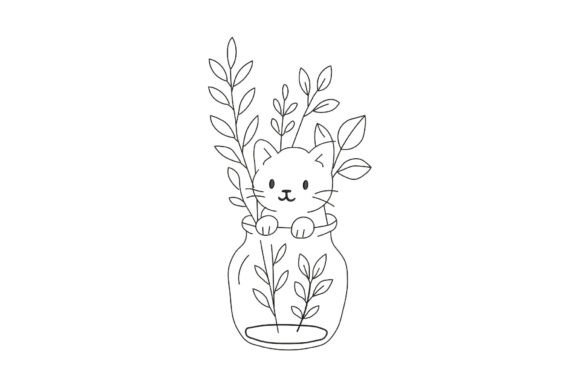
The first impression of Floral Cat in Jar is one of whimsical sophistication. It strikes a balance between playful and refined, making it highly versatile for specific market niches. For a local florist, pet bakery, or artisanal café, this imagery communicates warmth and handcrafted care. Unlike generic clip art, the "jar" concept implies containment and preservation, which subtly reinforces ideas of safety and quality—excellent psychological cues for customer trust.
However, from a branding perspective, the level of detail described as "beautifully detailed" requires careful consideration. In brand identity, clarity is king. While the intricate floral elements add value to a decorative cushion or wall hoop, they can become visual noise when scaled down for a chest logo or staff uniform. The design feels premium and handmade, which aligns perfectly with Etsy sellers and creative studios, but businesses aiming for a bold, modernist corporate look may find the aesthetic too soft. It is best suited for brands that want to project approachability, nature-centric values, and artistic flair.
Performance Across Business Applications
In my experience outfitting small businesses, versatility determines the ROI of a digital embroidery file. Here is how Floral Cat in Jar performs across common merchandise categories:
- Tote Bag Design: This is the ideal application. The flat surface and sturdy canvas fabric allow the full detail of the cat and florals to shine without distortion. It serves as a high-value retail item or a premium customer gift.
- Apron Embroidery: Perfect for baristas, groomers, or florists. Placing the design on the bib or lower pocket creates a charming focal point. The vertical orientation of a jar typically fits apron proportions better than wide designs.
- Embroidered Patches: This requires caution. If the design includes tiny floral accents or thin stems, it may not translate well to a 3-inch patch. You must verify if the embroidery file has been optimized for patch density or if it is purely a garment design.
- Custom Apparel: On t-shirts and sweatshirts, the design works beautifully as a center chest or back print. However, for polo shirts, ensure the size does not overwhelm the placket area.
- Product Packaging: Stitching this onto linen bags or cloth wrapping elevates the unboxing experience for handmade product sellers, adding tangible perceived value.
Technical Constraints and Production Risks
While the aesthetic is strong, technical execution is where business owners often face hurdles. The phrase "beautifully detailed" often correlates with higher stitch density. When applying Floral Cat in Jar to different merchandise, consider these limitations:
Fabric Texture and Stability
Detailed designs require a stable foundation. On textured fabrics like terry cloth towels or chunky knit sweaters, fine floral lines may get lost or sink into the pile. For these items, you will need a heavy-duty stabilizer and potentially a water-soluble topping to keep the stitches crisp. Conversely, on lightweight performance wear, high stitch counts can cause puckering or fabric drag. Always test on the actual garment material before running a bulk order.
Size Reduction Limits
A major risk for small business merch is assuming a design scales infinitely. If the original Floral Cat in Jar is digitized for a 6x10 hoop, shrinking it to fit a cap front or sleeve cuff may result in thread breaks, needle damage, or muddy details. Caps present additional challenges due to their curved surface; tall vertical designs like jars can distort near the brim seam. Always confirm the minimum recommended size in the file specifications.
Washability and Durability
For staff uniforms and aprons that undergo frequent industrial laundering, delicate satin stitches in floral elements may fray over time. If this design is intended for high-wear workwear, request a version with reinforced edges or slightly thicker columns to ensure longevity.
Impact on Customer Perception and Value
Investing in quality design assets directly influences buyer engagement. A well-executed Floral Cat in Jar signals professionalism. When customers see clean registration, vibrant thread colors, and appropriate placement, they subconsciously attribute that same attention to detail to your products or services. For pet brands, this specific imagery bridges the gap between cute and competent, suggesting that the business cares about animals with a gentle, thoughtful touch.
Furthermore, using a cohesive design across multiple touchpoints—from a printable mockup on your website to the physical tag on a product—builds visual consistency. This recognition is vital for small shops competing with larger retailers. The unique combination of feline and botanical elements makes for distinctive intellectual property that separates your brand from generic cat-themed competitors.
Designer Notes for Commercial Implementation
Before loading this embroidery file into your machine for production, follow this professional checklist to protect your investment and reputation:
- Verify Licensing: Confirm the license explicitly permits commercial use on merchandise for sale. Personal use licenses do not cover branded goods.
- Run a Black and White Test: Before committing to color, stitch a grayscale version. This reveals the underlying structure and shading without the distraction of thread hues, helping you spot density issues.
- Check Thread Contrast: Ensure the chosen palette offers sufficient contrast against your merchandise base color. Pastel florals on white fabric may disappear in photos; consider outlining or darkening shades for visibility.
- Create Client Mockups: Use software to generate a realistic preview for approval. This manages expectations regarding size and placement before any fabric is hooped.
- Inspect Hoop Size Compatibility: Verify that the design dimensions fit within your machine’s maximum embroidery field. Do not rely solely on resizing software, as this alters stitch integrity.
- Evaluate Fabric Pairings: Match the design complexity to the fabric weight. Save the most detailed version for stable cottons and linens; use simplified variations for stretchy or textured materials.
- Review Spacing and Margins: Ensure there is adequate clearance from seams, collars, and pockets. Crowded embroidery looks unprofessional and increases production errors.
Floral Cat in Jar offers significant potential for businesses in the pet, floral, and handmade sectors. Its elegant fusion of nature and feline charm provides a strong emotional hook for customers. However, successful commercial embroidery relies on respecting the technical boundaries of the design. By understanding its strengths in tote bags and aprons, while acknowledging its limitations in small patches and caps, you can leverage this artwork to create merchandise that is both beautiful and professionally viable. Always prioritize testing and fabric compatibility to ensure the finished product reflects the quality your brand stands for.