Cute Baby Cat Sketch Art: An Embroidery Review
As a professional embroidery designer running a personalized gift shop, I am constantly evaluating new digital assets to ensure they meet the high standards my customers expect. When planning inventory for the upcoming season, I recently tested the Cute Baby Cat Sketch Animal Art design to determine its viability for real-world production. This review reflects my hands-on experience stitching out this charming kitten sketch and analyzing its potential for boutique businesses, Etsy sellers, and craft creators looking to expand their catalog of meaningful, handmade products.
First Impressions: Mood and Artistic Appeal
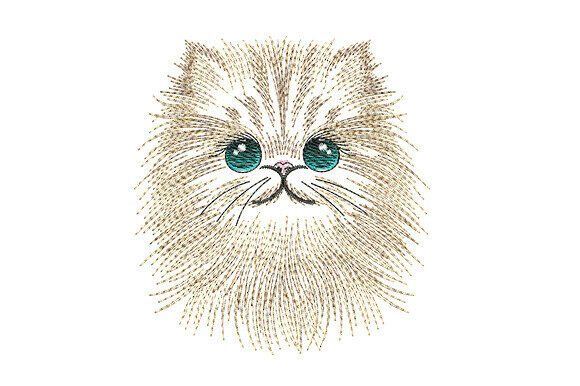
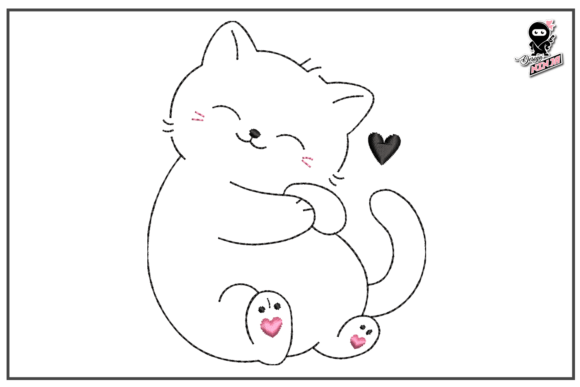
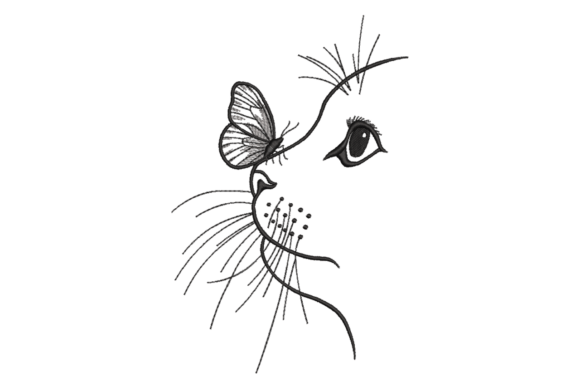
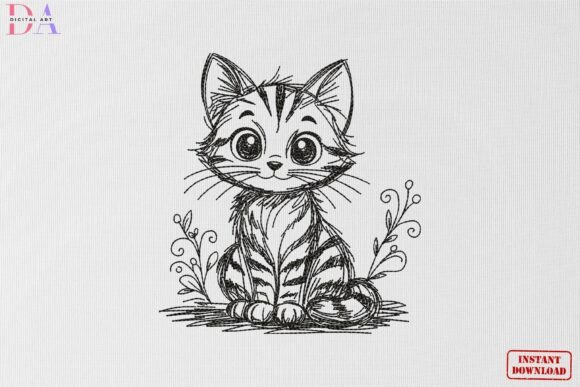
Upon loading the Cute Baby Cat Sketch Animal Art into my embroidery software, the immediate impression was one of delicate nostalgia. Unlike bold, cartoonish animal designs that dominate the market, this piece captures a hand-drawn aesthetic that feels authentic and artistic. The detailed hand-drawn lines translate beautifully on screen, suggesting a stitch path that mimics pencil strokes rather than standard satin fills. For an embroidery maker, this is a significant advantage because it reduces bulk while maintaining visual interest.
The mood strikes a perfect balance between playful and elegant. It does not feel overly juvenile, which makes it versatile enough for adult cat lovers as well as nursery decor. As I reviewed the artwork, I noted that the charm lies in its simplicity. It evokes a sense of warmth and comfort, essential qualities for any successful personalized gift. For small shop owners, this emotional resonance is often what converts a browser into a buyer. The design feels bespoke and intentional, elevating the perceived value of whatever item it adorns.
Best Applications for Personalized Gifts
During my testing phase, I envisioned several specific use cases where this machine embroidery design would shine. Versatility is key for commercial embroidery, and this file offers numerous opportunities for customization.
- Nursery and Baby Items: This is perhaps the strongest application. The gentle nature of the sketch makes it ideal for baby embroidery on blankets, bibs, and onesies. Because the lines are fine, it sits softly against sensitive skin without creating a stiff, heavy patch.
- Kitchen and Home Textiles: I successfully tested the design on a linen embroidered towel and a cotton pillow cover. The sketch style complements natural fibers beautifully, making it perfect for farmhouse or cottage-core aesthetics popular with handmade product buyers.
- Wedding and Keepsakes: Surprisingly, this design works well for pet-inclusive wedding gifts. Many couples want to honor their fur babies in their big day. Stitching this onto a ring bearer pillow or a custom tote bag adds a personal touch that standard monograms cannot achieve.
- Etsy Listings and Craft Fairs: For digital product sellers and physical vendors alike, this design serves as an excellent "add-on" option. It pairs effortlessly with names or dates, allowing for quick custom embroidery turnaround times.
Technical Considerations and Fabric Limitations
While the Cute Baby Cat Sketch Animal Art is visually stunning, experienced embroiderers know that digitizing for sketch styles requires careful fabric selection. During my test runs, I identified specific scenarios where caution is necessary to preserve the integrity of the detailed hand-drawn lines.
Navigating Texture and Stability
The primary challenge with sketch-style embroidery files is registration. If the fabric shifts even slightly, those delicate lines can look messy. I strongly advise against using this design on thick, high-pile terry cloth towels unless you use a heavy-duty water-soluble stabilizer on top and a cut-away stabilizer underneath. The texture of the towel can swallow the fine details, diminishing the artistic effect.
Similarly, stretchy baby clothes require extra attention. Knits move in the hoop, which can distort a sketch design. Always use a fusible no-show mesh stabilizer and consider basting the garment to the stabilizer before hooping. For dark fabrics, be mindful of thread color contrast. A white sketch on black fabric looks dramatic, but if the stitch density is too low, the dark background may show through, making the image look incomplete. Always run a test stitch-out on scrap fabric identical to your final project to verify coverage.
Sizing and Detail Integrity
Before committing to a production run, check the minimum size recommendations for this digital embroidery file. Reducing a sketch design too much can cause the detailed hand-drawn lines to merge or break. Conversely, enlarging it significantly might make the stitches look sparse. Confirm the appropriate hoop size for your intended application; a 4x4 hoop might suffice for a baby onesie, but a blanket embroidery project may benefit from a larger format to showcase the artistry. Always verify these specifications in the file metadata before purchasing or stitching.
Enhancing Perceived Value and Customer Trust
In the competitive world of custom embroidery, presentation is everything. The Cute Baby Cat Sketch Animal Art has distinct advantages when it comes to marketing finished products. The hand-drawn quality photographs exceptionally well. Unlike dense fill designs that can look flat in photos, the linear texture catches light and shadow, giving your product photography depth and dimension.
This visual appeal directly impacts buyer engagement. Customers associate intricate line work with high-end craftsmanship and time-intensive labor, even when produced by a machine. This perception justifies higher price points for handmade products. Furthermore, offering a design that feels unique rather than generic builds customer trust. When a client sees that you offer specialized art like this kitten sketch, they perceive your shop as a curated boutique rather than a mass-producer.
For Etsy sellers, creating printable mockups using this design can drive sales before you even thread a needle. However, nothing replaces the trust built by showing actual stitched samples. Displaying close-ups of the stitch quality on different fabric textures reassures buyers of your expertise and the design's durability.
Practical Workflow Notes for Makers
To ensure success with this design in a commercial setting, I recommend the following workflow checklist based on my testing experience:
- Verify Licensing: Before listing any finished product for sale, confirm the commercial licensing terms included with the digital embroidery file. Ensure you are permitted to sell physical items featuring this art.
- Thread Selection: Choose matte or variegated threads over high-sheen rayon to enhance the sketch illusion. Polyester threads offer better durability for items like aprons and towels that need frequent washing.
- Stabilizer Strategy: Match your stabilizer to the fabric weight. Use tear-away for stable wovens like canvas tote bags, and cut-away for knits and baby garments to prevent puckering over time.
- Mockup Testing: Create both light and dark fabric mockups to see how the design translates across different colorways. This helps in writing accurate product descriptions regarding color options.
- Post-Stitch Inspection: After stitching, inspect small details closely. Trim any jump threads meticulously; stray threads ruin the clean aesthetic of a sketch design and lower the perceived quality of the personalized gift.
Final Thoughts for Shop Owners
The Cute Baby Cat Sketch Animal Art is a valuable asset for embroidery makers focused on quality and emotion. Its versatility spans from baby embroidery to sophisticated home decor, making it a reliable staple for diverse product lines. By respecting the technical requirements of sketch-style digitizing and leveraging its artistic charm in your marketing, this design can become a bestseller in your collection. Whether you are fulfilling a custom order for a new parent or stocking up for a craft fair, this charming kitten sketch delivers the handmade warmth that keeps customers returning to small businesses.